
Ubud Creative Journal: Discovering a Creative Hotel in Ubud
Introduction to Creative Hospitality in Ubud
Ubud, nestled in the cultural heart of Bali, has become a magnet for travelers seeking a blend of artistic inspiration and tranquil retreat. The town’s lush rice terraces, vibrant art markets, and spiritual temples create a backdrop that naturally encourages creativity. Visitors often look for accommodations that reflect this unique atmosphere, offering more than just a place to rest.
In recent years, a new concept has emerged: hotels that function as living galleries, workshops, and community hubs. These establishments invite guests to engage with local artisans, participate in curated experiences, and immerse themselves in a design narrative that celebrates the region’s heritage. This shift has transformed the hospitality landscape, making Ubud a pioneer in creative lodging.
Design Philosophy and Artistic Integration
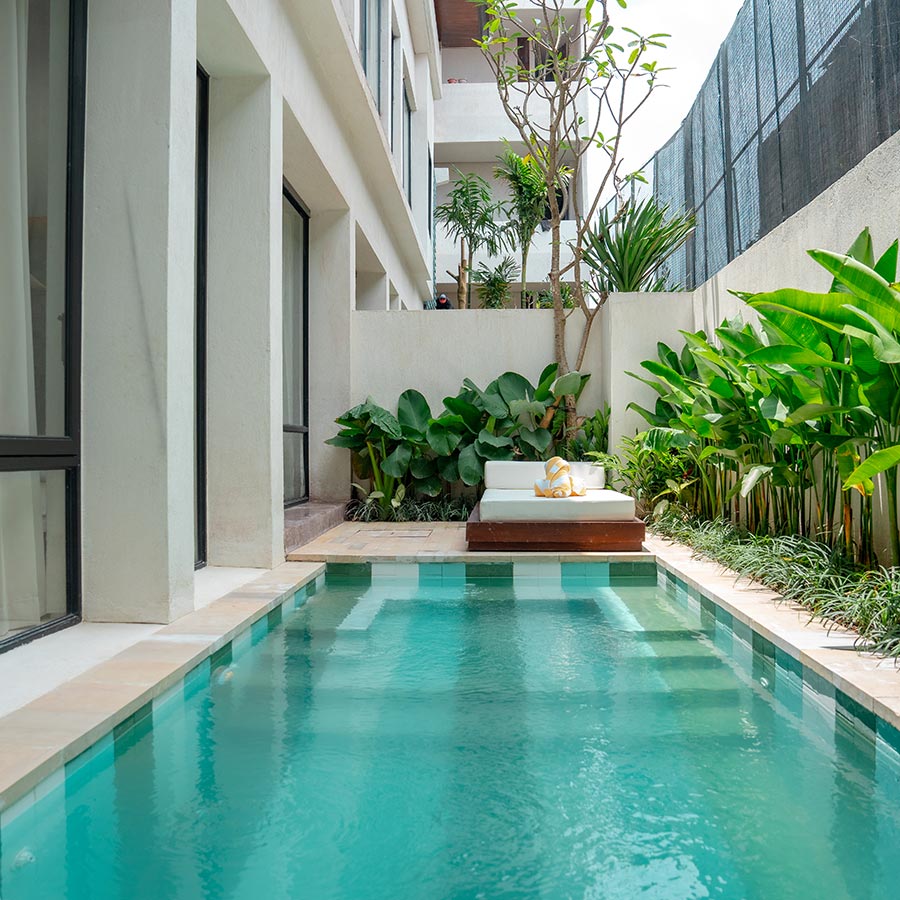
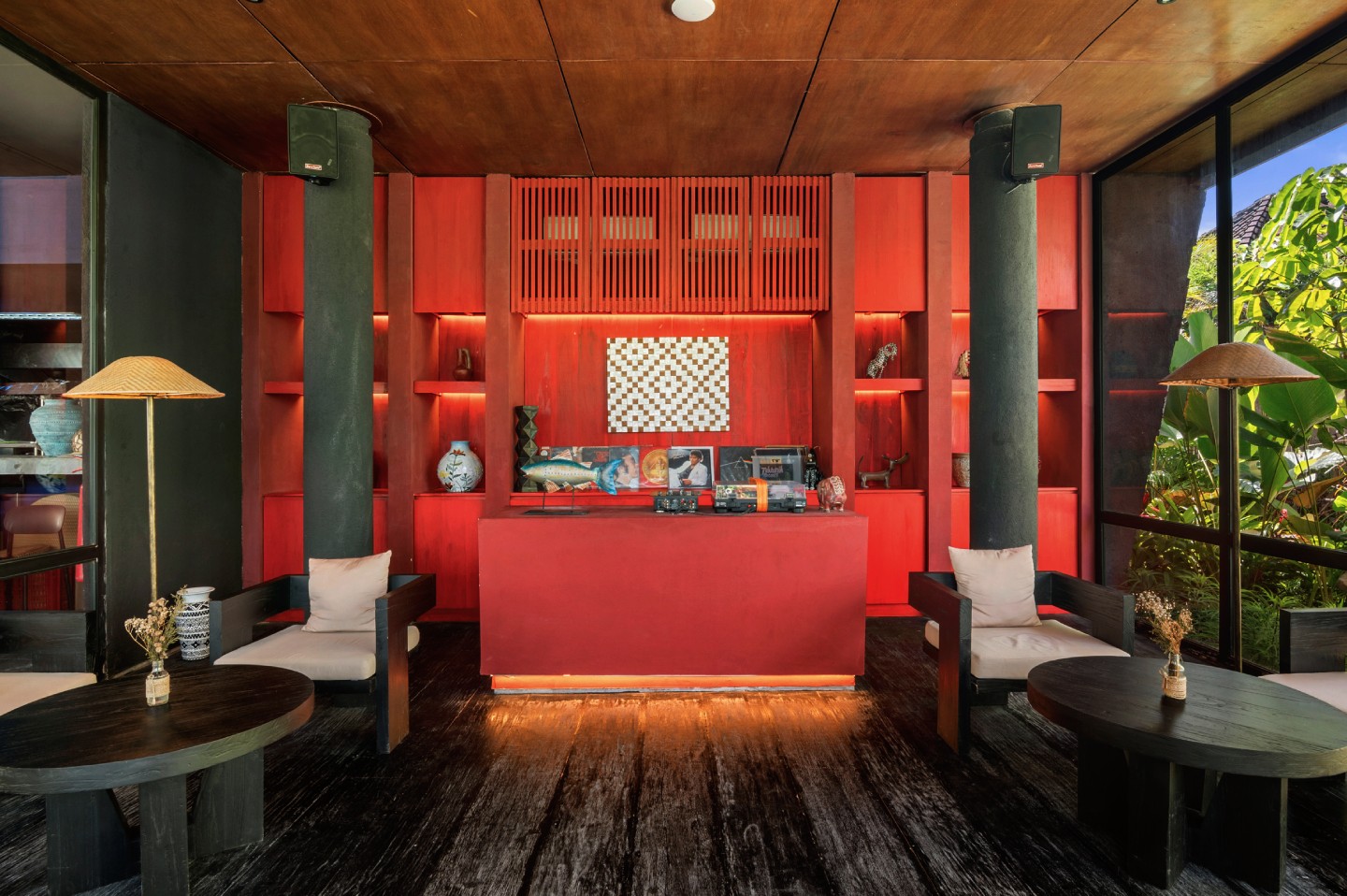
The architecture of a creative hotel in Ubud typically marries traditional Balinese elements with contemporary aesthetics. Natural materials such as teak, bamboo, and stone are combined with modern lighting and minimalist furnishings, creating spaces that feel both timeless and fresh. Every corner is thoughtfully curated, from the lobby’s sculptural installations to the guest rooms’ bespoke artwork.
Art is not confined to static displays; it is woven into daily routines. Guests may find hand-painted tiles guiding them through corridors, or interactive murals that change with the light of day. This intentional integration of art fosters an environment where inspiration flows effortlessly, encouraging visitors to explore their own creative impulses.
Local Artisans and Collaborative Projects
Collaboration with local craftsmen is a cornerstone of the hotel’s ethos. Workshops led by woodcarvers, batik artists, and musicians are regularly scheduled, allowing guests to learn techniques that have been passed down through generations. These experiences are more than souvenirs; they are immersive lessons that deepen appreciation for Balinese culture.
Sustainable Practices and Eco‑Design
Eco‑conscious design is another vital aspect. Many creative hotels incorporate rainwater harvesting, solar panels, and waste‑reduction programs. The use of reclaimed materials for furniture and décor not only reduces environmental impact but also tells a story of renewal—mirroring the creative process itself.
Curated Guest Experiences
Beyond the visual feast, creative hotels offer a curated program of activities that cater to both the mind and the soul. Morning yoga sessions on open terraces, guided meditation in fragrant gardens, and sunrise photography walks are just a few examples of the thoughtfully designed itinerary. Each activity is intended to awaken the senses and spark new ideas.
Evening programming often includes intimate performances by local musicians, poetry readings, and film screenings that showcase Balinese storytelling. These events create a communal atmosphere where guests can connect with fellow travelers and locals alike, fostering a sense of belonging within the artistic community.
Personalized Creative Retreats
For travelers seeking deeper engagement, many hotels offer personalized retreats. Guests can work with resident artists to develop a project, whether it’s a painting, a piece of jewelry, or a short film. Tailored schedules ensure that each participant can balance creative work with relaxation, resulting in a fulfilling and restorative stay.
Culinary Artistry and Sensory Dining
The hotel’s restaurant often serves as another canvas, where chefs blend traditional Balinese flavors with modern culinary techniques. Multi‑course tasting menus are presented as edible art, with each dish thoughtfully plated to engage sight, taste, and aroma. Seasonal ingredients sourced from nearby farms reinforce the connection to the land and its bounty.
Choosing the Right Creative Hotel
When selecting a creative hotel in Ubud, consider the balance between artistic programming and comfort. Look for properties that prioritize authentic local collaborations, sustainable practices, and a design language that resonates with your personal aesthetic. Reading reviews and exploring the hotel’s portfolio of past events can provide insight into the quality of the experience offered.
For a comprehensive glimpse into a standout option, explore the Ubud Creative Journal which highlights the unique blend of art, culture, and hospitality that defines this remarkable destination. Additionally, the Boutique Creative Hotel Ubud exemplifies how thoughtful design and immersive programming can transform a simple stay into a memorable artistic journey.
Conclusion
Ubud’s creative hotels represent a harmonious convergence of tradition, innovation, and sustainability. By offering immersive artistic experiences, sustainable design, and personalized retreats, they provide travelers with more than accommodation—they offer a catalyst for personal growth and creative expression. Whether you are an artist seeking inspiration, a traveler craving cultural depth, or simply someone looking for a unique escape, the creative hotel scene in Ubud promises an unforgettable stay that nourishes both the heart and the imagination.